A Colorful Embroidery Showcase: How This Design Sells
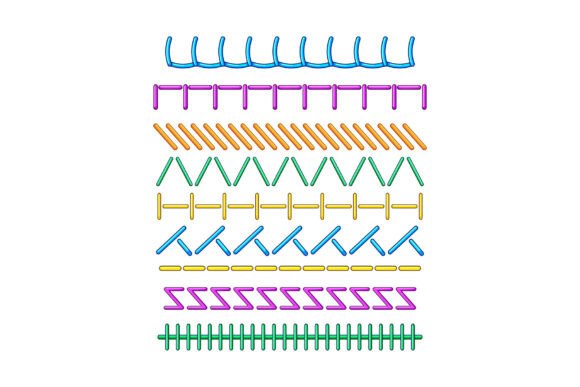
When preparing for a craft fair, every designer scrutinizes their digital assets. You're looking for designs that not only look beautiful on-screen but translate into profitable, physical products. So, let's review Colorful Embroidery Stitch Patterns Show from the perspective of a maker stocking a weekend booth. This collection is described as "colorful thread stitching formations illustrating different decorative and practical hand embroidery patterns and textile design elements on a clean white background." That's a lot of potential packed into one graphics file.
The First Impression: Bold, Decorative, & Visually Engaging
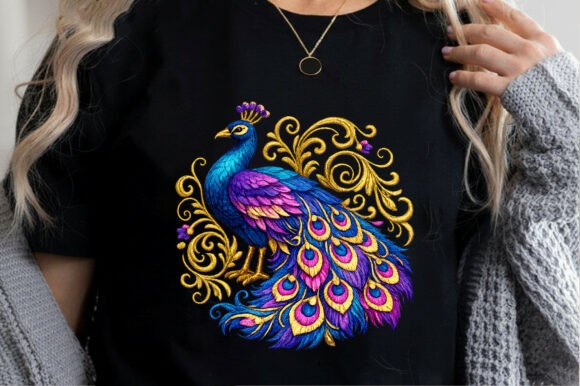
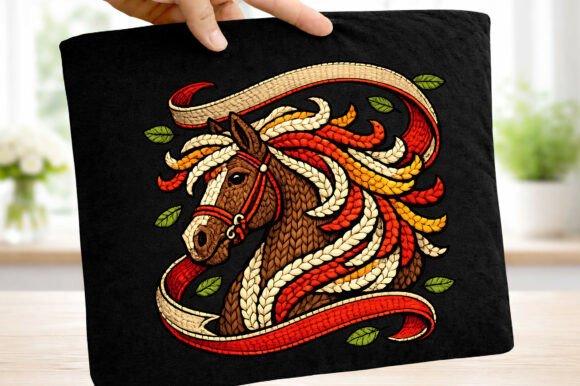
My first read of the title and description tells me this is a decorative and educational piece. It's not minimalist or rustic; it’s a vibrant, illustrative show of stitches. This gives it a modern craft aesthetic that feels premium and skill-focused. It appeals to customers who appreciate the artistry behind embroidery itself. In a crowded market booth, this visual complexity can act as a magnet—it’s something people will stop to examine closely.
Product Performance: Where This Design Will Stand Out
The key is matching the design's character to the right product. Not every design works on every surface.
Top Tier Products for Maximum Impact
For Colorful Embroidery Stitch Patterns Show, I see clear winners.
- Tote Bags & Market Bags: This is a prime candidate. The design's illustrative nature makes it a fantastic large focal point on a bag side. It communicates quality and craft instantly.
- Pillow Covers: The decorative, almost sampler-like quality would shine here, elevating a simple pillow into a stylish home decor item.
- Aprons & Tea Towels: For kitchen textiles, this design leans more decorative than funny. It would suit a premium, boutique-style apron or a towel intended as a gift rather than a purely utilitarian one.
- Embroidered Patches: This could be phenomenal, but careful scaling is critical. As a larger, statement patch on a denim jacket or bag, it would be unique and eye-catching.
Consideration & Careful Use Products
Some applications require more planning.
- Caps & Curved Surfaces: The potentially dense stitch formations and varied elements might not distort well on a curved cap front. A simplified section might work better.
- Small Pouches & Tiny Accents: If the file contains many small, detailed stitch illustrations, reducing the size for a small pouch could lose clarity. It's likely better as a main feature.
- Dark Fabric: The described "clean white background" suggests the design itself has a white base. On dark fabric, you'd need to ensure the thread colors have enough contrast or adapt the file to remove that background.
Practical Production & Selling Points
Turning a digital embroidery file into a batch of craft fair products requires practical thinking.
At the Booth: Customer Attention & Perceived Value
This design adds handmade quality and brand consistency. If your booth features several products using this same illustrative style, it tells a story of expertise. Customers engage with the detail—they might ask about the stitches shown. That's a conversation starter and adds value beyond a simple graphic. For booth display strength, a large tote bag with this design as your sample centerpiece would be very effective.
Production Logistics: Batch Making & Online Sales
Is it repeatable for batch production? That depends on the file's specifics.
- Stitch Density: The "colorful thread stitching formations" could mean significant stitch count. High density on textured towels or thick fabric like canvas requires proper stabilizer and machine settings to prevent puckering.
- Hoop Size: Unknown from the description. You must check the actual embroidery file details. A design this comprehensive may require a larger hoop, limiting the size of smaller items like pouches.
- Photographing for Etsy: This will photograph beautifully for online listings. The color and detail will pop, especially against clean fabric. Creating a printable mockup using this design asset for your Etsy shop graphics is a smart move.
- Ease of Understanding: At a glance, it’s visually rich. Customers quickly see it’s about embroidery craftsmanship, which is perfect for targeting fellow crafters and those who appreciate handmade products.
The Designer's Essential Checklist Before Production
Before you stitch one tote bag for sale, do this homework. It protects your time, materials, and commercial reputation.
- Test on Scrap Fabric: Always. Run the machine embroidery design on the exact fabric you plan to use—canvas for bags, linen for towels, etc.
- Check Thread Contrast: Review how the prescribed thread colors look on your actual fabric colors, not just the white background shown.
- Review Spacing & Clarity: Inspect stitch density and any tiny details. Do small lettering or intricate formations remain clear at your intended product size?
- Confirm Hoop Size & Stabilizer: Match the technical requirements of the file to your machine and material. A heavy fabric needs the right stabilizer.
- Create One Real Mockup: Make one finished product—your sample. This is your final check for visual appeal and production workflow.
- Confirm Commercial Licensing: The description says it's a "Collection." Before selling finished products, verify your license for this digital embroidery file permits commercial use of the embroidered items. Do not assume.
A Final Word on Craft Fair Success
Colorful Embroidery Stitch Patterns Show has the visual strength to become a standout line in your handmade product offerings. Its decorative, educational vibe elevates simple items into conversation pieces. For the craft fair seller, embroidery business owner, or Etsy seller, its success hinges on pairing it with the right product canvas—think larger surfaces where its detail can shine—and executing the production with careful testing. When done right, this design doesn't just sell a product; it sells the story and skill behind your entire brand.