A Lighthearted Duck Embroidery Design for Your Projects
First Impressions: Where Does This Duck Fit?
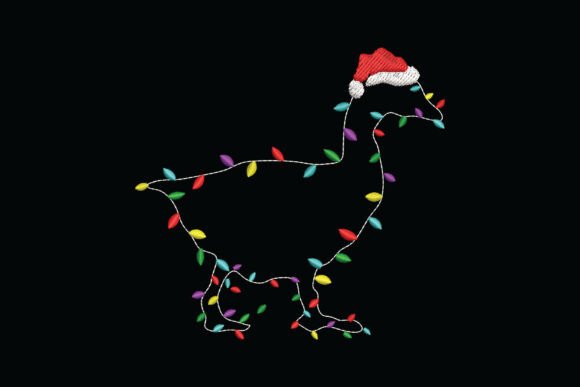
When I first saw the Lighting Duck Outline, my immediate thought was that it was playful. It’s not a hyper-detailed, realistic portrait—it’s a character. The outline style gives it a clean, graphic feel that feels modern and a bit whimsical. This isn’t a design that shouts "Christmas" in a traditional way with snowflakes or Santas; it’s more of a cheerful, lighthearted motif that could easily fit into holiday decor or gifts through its mood rather than overt iconography. For crafters and small business owners, that’s an interesting angle. It’s a Christmas design that feels fresh and can bridge into everyday projects.
The personality here is key. It’s friendly. I imagined it stitched onto a child’s item instantly. The shape is simple enough to stitch cleanly, but the design has enough character to stand out on a finished product. This is a digital embroidery file that feels like it belongs on things meant to spark a smile—a personalized gift for a niece, a fun kitchen towel for a friend, or a branded tote for a boutique that wants to feel approachable.
Real-World Stitching: Thinking Through Applications
Let’s walk through a real scenario. I’m considering this for a custom embroidered tote bag intended as a holiday gift from a small shop. My primary concern is clarity. An outline design on a tote’s often coarse fabric needs good stitch definition. I’d test this on scrap canvas first to see how the lines hold up. The lack of dense fill areas is a plus here; it means less puckering on a bag that needs to be durable. The outcome should be a crisp, charming duck that looks handmade but professional.
For apparel decorators, the applications widen. A sweatshirt embroidery project with this on the sleeve or front could be a hit. It’s not too large or dominating, making it great for accent pieces. On baby clothes, it’s perfectly sized for a small chest or sleeve detail without overwhelming the tiny garment. As an embroidered patch, it would be straightforward to produce and attach, offering a versatile product for a craft fair or Etsy listing. For holiday gifts, think beyond the obvious. This duck on a pillow cover in festive fabric, or on the corner of a cozy blanket, adds a personalized touch that’s more subtle than a glaring holiday symbol.
Where You Might Want to Be Careful
While this machine embroidery design seems easy to stitch, its success depends on context. On very dark fabrics, the outline will need excellent thread color contrast—a bright white or a metallic thread might be necessary to keep it from fading visually. On stretchy fabric like a t-shirt, even an outline can distort if stabilizer isn’t used properly. I’d always hoop it firmly.
The small details, like any potential tiny corners in the outline, need to be inspected in the actual embroidery file before running it. On a curved surface like a cap, the design’s layout needs to be centered carefully to avoid distortion at the seams. And while it’s not dense, washing durability is always a concern for commercial embroidery projects. On items like aprons or kitchen towels that see frequent laundering, a robust satin stitch for the outline and a secure backing will ensure the design lasts, maintaining customer trust in your handmade product.
The Value It Adds to Your Craft Business
From a business perspective, this design is a flexible asset. For digital product sellers, it’s a style that would look good in printable mockups for shops, appealing to buyers looking for a friendly, non-intimidating motif. Its clean lines translate well to preview images. For creative entrepreneurs building a brand, a consistent use of such a character across different products—totes, baby items, decorative pieces—can create a recognizable, cohesive feel.
The giftability is high. It feels personal without being overly specific. A customer receiving a custom apparel item with this duck isn’t getting a generic logo; they’re getting a piece of personality. That enhances the perceived value of your work. For Etsy sellers and small shop owners, that emotional connection can drive buyer engagement and repeat business. It looks professional when stitched well, but retains the charm that people seek in handmade products.
Practical Notes Before You Hoop It
Before you run this embroidery file for a client project or your own merchandise, do your homework. Always stitch it out on a scrap of the actual fabric you plan to use. This tells you everything about thread color contrast and how the fabric texture interacts with the design. Check the stitch density in your software viewer; even outlines can sometimes have surprisingly dense sections that might need adjustment.
Confirm the hoop size requirement. The description suggests it’s easy to stitch, which often implies a moderate size, but you need the exact dimensions to plan your projects efficiently. Compare how it looks in a black and white mockup—this helps visualize it on both light and dark backgrounds for your product photos. Crucially, verify the licensing terms. Can you use it for commercial embroidery, selling finished products like patches and tote bags, or is it only for personal use? This step is non-negotiable for craft business owners.
A design like the Lighting Duck Outline is more than just a digital embroidery file; it’s a potential centerpiece for a range of projects. Its strength is its mood and adaptability. With careful testing and thoughtful application, it can become a reliable part of your toolkit for creating products that feel special, well-made, and genuinely engaging.