Evaluating a Cute Giraffe Embroidery Patch Design
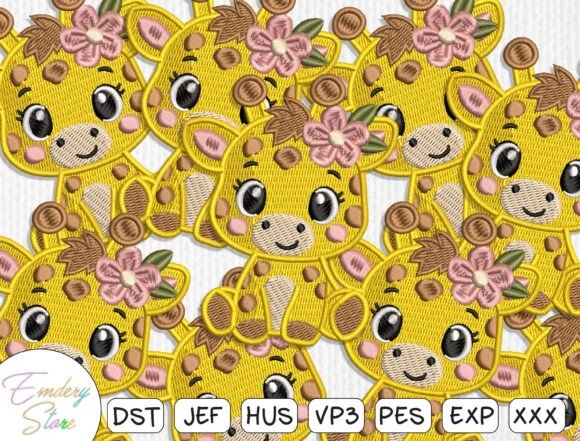
There’s something instantly engaging about a well-designed animal motif for embroidery. It needs to strike that balance between character and clarity, especially when you’re planning to translate it from a digital file to a physical product. The Cute Giraffe Embroidery Patch Design has that immediate appeal. From a designer’s perspective, looking at this for potential use in client work or my own craft business line, the first impression is one of playful, gentle charm. It’s not a hyper-realistic animal portrait; it leans into a kawaii-inspired aesthetic, which suggests a specific mood: sweet, approachable, and perfect for projects aimed at children, gifts, or cheerful everyday items.
The Design’s Natural Habitat: Where This Giraffe Thrives
When you’re selecting an embroidery design for a real project, you’re essentially matching a personality to a product. This giraffe design feels inherently suited to items that carry a sense of warmth and personal touch. I envision it immediately on a baby’s organic cotton blanket or a soft knit sweater. Its cheerful demeanor would translate beautifully onto a canvas tote bag for a gardening friend or a linen apron for a kitchen. For small business owners, especially those on Etsy or at craft fairs focusing on nursery decor, personalized gifts, or boutique children’s apparel, this design acts as a strong, recognizable asset that doesn’t require explanation—it’s just cute.
Consider a real scenario: you’re preparing a custom embroidered sweatshirt as a birthday gift. You want the design to feel special but not overly formal. This giraffe, with its likely simplified features and sweet expression, would stitch out as a focal point that feels handmade and thoughtful, not mass-produced. That’s a key value for creative entrepreneurs: designs that elevate the finished product’s perceived care and quality.
Navigating the Stitching Landscape: Practical Performance Notes
A design’s charm on screen must survive the transition to fabric. For a machine embroidery design like this, considering its category and described style, we need to think about application. On stable, medium-weight fabrics like cotton twill for a patch, canvas for a tote, or fleece for a baby blanket, it should perform admirably. The likely use of satin stitches for outlines and fill stitches for larger areas means the visual clarity will be good, provided the stitch density is appropriate.
However, this is where a professional’s practical judgment comes in. For more challenging applications—think a stretchy cotton tee, a textured knit hat, or a curved surface like a cap—this design requires extra preparation. The small, potentially intricate details (like those sparkling accents mentioned) could become muddled on a textured fabric or if the stabilizer isn’t robust. On dark fabric backgrounds, thread color contrast becomes paramount; a test run on scrap material is non-negotiable to ensure those kawaii features remain distinct and bright.
Where Caution is Needed: Design Boundaries
Every embroidery design has its ideal uses and its limits. For the Cute Giraffe Embroidery Patch Design, its appeal might tempt you to scale it down for a tiny hoop size on a delicate piece. But shrinking a design with potential decorative elements can compress details, making satin stitches too dense and small accents like tiny flowers or sparkles difficult to stitch cleanly. Conversely, scaling it up very large on a thin fabric like a lightweight linen tea towel might lead to an unstable, puckered result unless the stitch density is adjusted.
Products destined for frequent washing, like children’s clothing or kitchen towels, need a design that will hold up. This means evaluating the file for overly long running stitches that could snag or areas of high density that might stiffen the fabric. Again, stitching a sample on your intended fabric and giving it a wash test is a crucial step before committing to a production run for your small shop merchandise.
Impact on Your Project and Your Business
Using a design like this isn’ just about making a cute item; it’s about building customer trust and engagement. A well-executed embroidery of this giraffe on a product communicates attention to detail. The clean lines and happy mood contribute to a professional handmade presentation, which is vital for Etsy sellers and boutique brands. It’s giftable because it’s universally likable and non-seasonal, fitting for birthdays, baby welcomes, or just a cheerful personal treat.
For commercial embroidery projects or selling finished items, the design’s recognizability as a cute animal motif helps in marketing. It can be featured in printable mockups for your online store, creating a cohesive look across your product line. However, the absolute first step before any commercial use is to confirm the licensing terms of the embroidery file. The description notes it’s a set, but the specifics for personal versus commercial use must be clear to you as the maker.
Essential Designer Checks Before You Hoop the Fabric
My final practical advice for anyone ready to use this design boils down to a checklist. Treat the digital embroidery file as a blueprint, not a guaranteed outcome.
- Test First: Always stitch the design on a scrap of your target fabric, using the same stabilizer and thread types you plan for the final product.
- Check Contrast: Run visual tests. How does it look in a black and white mockup? Does it hold its form? Stitch it on both light and dark fabric samples to judge thread color choices.
- Inspect the Details: Zoom in on the design file. Look for any potentially troublesome tiny corners or isolated decorative stitches that might need slight adjustment for your machine or fabric.
- Confirm the Foundations: While the product category and type suggest machine embroidery, verify the included hoop size ranges and file formats for your equipment. Don’t assume compatibility.
- Consider the End Product: Is this for a one-off personalized gift or for batch production for your craft business? That decision influences your testing rigor and how you manage the embroidery process.
In essence, the Cute Giraffe Embroidery Patch Design offers a wonderful starting point for a multitude of projects that benefit from a dose of playful safari charm. Its strength is in its mood and theme, which naturally align with the handmade, personalized market. By approaching it with a designer’s practical eye—testing, adapting to your specific materials, and respecting its technical boundaries—you can transform this digital asset into a finished product that delights both you and your customers.