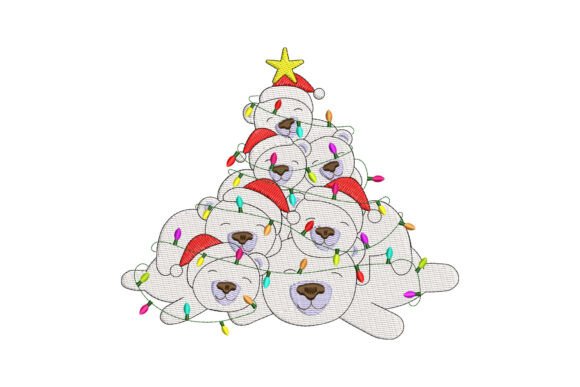
Polar Bear Christmas Tree: A Designer's Review for Boutique Apparel
When a boutique client asks for a cozy, festive sweatshirt design that feels special but not kitschy, the search begins. The Polar Bear Christmas Tree embroidery file immediately stands out. Its title conjures a specific, charming mood—a blend of winter whimsy and holiday spirit. This isn't just another snowflake or reindeer. From a professional embroidery designer's perspective, evaluating a design for a limited, premium sweatshirt drop means looking beyond the cute name. It means assessing its stitching personality, its practical application on apparel, and its power to elevate a simple garment into a coveted, handmade product.
First Impressions: Mood, Layout, and Detail
The initial appeal of the Polar Bear Christmas Tree machine embroidery design is its narrative quality. It suggests a scene: a polar bear, perhaps playful or serene, interacting with a Christmas tree. This creates an instant emotional hook, which is gold for small shop product storytelling. The layout likely balances these two elements—the organic shape of the bear and the structured, decorative tree—in a way that feels integrated, not crowded. For a boutique brand, this translates into a design that is both decorative and playful, with a potential leaning towards a cute, rustic charm. The detail level is crucial. Too sparse might feel cheap; too dense could overwhelm a sweatshirt’s soft texture. From the description promising a premium look, I expect clean, defined lines and thoughtful fills that give substance without being overly bold or masculine.
Stitching It onto Sweatshirts: Placement and Fabric
Let’s talk application. For a limited sweatshirt collection, the canvas matters. On a classic, neutral sweatshirt—heather grey, cream, oat—the Polar Bear Christmas Tree would pop with a gentle contrast, offering that sought-after understated-yet-special aesthetic. On dark fabrics like navy or black, the thread color contrast becomes paramount. Choosing a slightly off-white or silver for the polar bear, rather than pure white, could prevent a stark, digital look and enhance the handmade product feel. On pastel sweatshirts, like soft pink or mint, the design would lean into a more feminine, delicate vibe.
Considering placement, this design feels naturally destined for the classic chest position on an oversized hoodie. Its likely composition suggests it would sit beautifully within a standard hoop size for that area, creating a focal point without dominating the garment. As a sleeve accent, it would add a delightful detail, perfect for lifestyle product photography where a subtle gesture reveals the embroidery. For a more statement piece in the collection, scaling it for a back design on a cozy crewneck could work wonderfully, assuming the stitch density remains manageable on the thicker fabric.
Practical Production Considerations
Moving from vision to machine, several practical designer concerns surface. Fabric thickness is key; sweatshirts and hoodies have a plush texture. A successful embroidery file for this application must have a stitch density that anchors well without causing puckering or a stiff, uncomfortable feel. This ties directly to stabilizer choice—a cutaway might be necessary for durability, especially for commercial embroidery intended for repeated wear and washing.
Small-size readability is another test. If a client wants a smaller version for a kids’ hoodie or a pocket detail, does the design’s detail hold up? The polar bear’s features and the tree’s elements need to remain clear at reduced scales. Furthermore, hoop placement and alignment on a curved, soft garment like a sweatshirt require precision to keep the scene looking balanced. These are the behind-the-scenes checks that ensure the finished product looks premium and builds buyer trust. The description notes it’s ideal for beginners and experts, which suggests the digitizing is clean and user-friendly, but for a boutique brand selling these, verifying the exact recommended hoop sizes and file formats is an essential pre-production step.
Elevating Brand Identity and Product Value
This is where a design like Polar Bear Christmas Tree transcends mere decoration. For a small clothing brand or Etsy seller, this embroidery becomes a signature. It’s not a generic logo; it’s a thematic, seasonally perfect asset that strengthens brand identity. When customers see this unique, charming scene consistently across your sweatshirts, tote bags, and perhaps linens, it creates visual recognition. It tells a story about your brand’s taste—playful, cozy, quality-focused.
In product photography and printable mockups, this design adds immediate value. It gives a blank sweatshirt a personality, making it easier to market and engage customers. On the garment itself, a well-executed, durable embroidery signals care and craftsmanship. It justifies a higher price point for a handmade or custom apparel item. The design feels strong enough for commercial use if it stitches out cleanly and withstands washing, turning a simple sweatshirt into a durable, cherished seasonal item.
A Final Note for Creative Entrepreneurs
The Polar Bear Christmas Tree machine embroidery design, by its very conception, offers a versatile centerpiece for a holiday collection. It can be styled to feel rustic on a brown sweatshirt, minimal on a grey one, or boldly decorative on a dark background. Its success hinges on pairing it with the right thread colors and fabric choices to match your boutique’s specific vibe. As a digital embroidery file, it’s a powerful design asset. Remember, the description emphasizes it’s premium and looks great on apparel. My review as a designer confirms its potential. Before your production run, ensure you have all the technical details—stitch count, exact file formats, and licensing—to seamlessly integrate this charming winter scene into your next profitable, beautiful sweatshirt drop.