Retro Coffee Cup Character Embroidery Design Review
When you’re in the business of embroidery, whether for clients or your own shop, a new design file isn’t just a graphic—it’s a potential project, a product, and a statement. Today, I’m looking at the Retro Coffee Cup Character embroidery design from that practical perspective. Let’s walk through what this walking coffee mug brings to the table, and where it might best find its feet.
The Immediate Charm of This Cartoon Coffee Cup
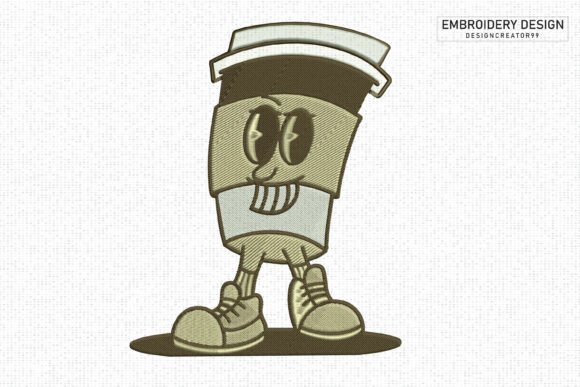
The first impression is unmistakably joyful. This design isn’t just a static cup; it’s a character with personality. The large, wide eyes and that toothy grin instantly create a playful, retro mood. The thin legs and the sleeve give it a sense of motion and whimsy that elevates it beyond a simple icon. For embroiderers, this means the design carries a story. It’s not just “coffee”; it’s “a cheerful coffee cup on a walk.” This visual personality is a significant asset when you’re aiming to create products that feel unique and engaging, rather than generic.
Where This Character Shines in Real Projects
I immediately picture this design applied to a custom tote bag for a coffee-loving friend, or centered on the chest of a relaxed-fit sweatshirt. Its cartoon style and clear, open shapes make it a fantastic candidate for a range of handmade products. Think aprons for a boutique cafe, playful pillow covers in a cozy living room, or even a standout patch on a denim jacket. The Tea Coffee category is broad, but this character’s retro vibe leans towards gift items, casual apparel, and cheerful home decor.
For small business owners and Etsy sellers, this kind of design can be a versatile asset. It’s easy to visualize on a printable mockup for a baby bib or a kitchen towel, adding instant appeal to a digital listing. Its friendly nature boosts giftability—a holiday gift for a coworker or a personalized birthday present feels more thoughtful with this kind of whimsical touch. In a craft fair setting, an embroidered sweatshirt featuring this character would likely draw smiles and questions, creating engagement.
A Practical Scenario: The Custom Tote Bag Order
Imagine a client request: a personalized tote bag for a coffee shop’s loyal customer. Using the Retro Coffee Cup Character, you’d be providing something with far more character than a simple logo. After stitching, the large eyes and grin would retain their clarity, and the sleeve and shoe details would add pleasing texture without overwhelming the main shape. The client’s reaction would likely be positive because the design feels bespoke and fun, increasing the perceived value of your embroidered product and building customer trust in your creative judgment.
Considerations for Stitching Success
The charming details also come with practical embroidery considerations. The thin legs and the outline of the sleeve are areas where stitch density and running stitch integrity will be crucial. On textured fabrics like a cotton canvas tote, these fine lines will hold up well. However, on stretchy fabric like a t-shirt or a thin, smooth cotton, you’ll want to use a reliable stabilizer and potentially test the design on scrap fabric first to ensure those thin elements don’t get lost or distorted.
- Dark fabric backgrounds require careful thread color contrast. The design’s open, cartoon style means it will pop on dark materials if you choose bright, contrasting threads, but you should check it in a black-and-white mockup to assess the balance of shapes.
- For small hoop sizes, the overall design is likely compact enough, but always confirm the exact size from the provided embroidery file. The toothy grin and eye details need to be clear even at a smaller scale.
- On curved surfaces like caps, the layout is generally favorable, but the legs extending out might require attention to placement so they don’ wrap awkwardly around the curve.
There’s no inherent dense fill stitch area here, which is good for faster stitching and less puckering on lighter fabrics, but it does mean the design relies on its outlines for definition.
Building Professional Results and Brand Consistency
For creative entrepreneurs using this as a commercial embroidery asset or a part of their product line, the Retro Coffee Cup Character offers strong visual appeal. It reads clearly from a distance, making it excellent for apparel decorators. This clarity translates to a professional, clean finished product when stitched with care. If your brand or shop vibe is friendly, retro, or casual, this design can enhance brand consistency across items like aprons, towels, and custom apparel.
However, for a more formal or minimalist brand, this design might feel too cartoonish. That’s a realistic judgment to make before committing to it for a series of products.
Essential Designer Notes Before You Stitch
Before loading this machine embroidery design and starting a project, a few steps are non-negotiable for quality results.
- Always test the design on scrap fabric first, using the same material and stabilizer you plan for the final project. This reveals how the thin legs and facial details actually stitch out.
- Review the provided thread color sequence—if one is included—and consider your own palette for different fabric backgrounds.
- Inspect the small details, like the points of the shoes and the corners of the grin, in the file preview. Are they defined?
- Crucially, confirm the licensing of the digital embroidery file before selling any finished items or using it in client work. Understand whether it’s for personal use, commercial use, or both.
- For products that need frequent washing, like baby clothes or kitchen towels, ensure your stitch choices and stabilizer methods create durable results that will survive laundry cycles.
The Final Verdict on Project Fit
The Retro Coffee Cup Character is a design with a clear and cheerful purpose. It excels in projects where mood and personality are paramount. It’s a natural fit for personalized gifts, casual small shop merchandise, and lighthearted holiday embroidery. Its strengths are its immediate visual charm and relatively straightforward stitch layout, but its success depends on mindful application to suitable fabrics and products.
As a designer reviewing this for real work, I’d confidently choose it for a playful tote bag, a child’s blanket, or a set of café-themed aprons. I’d approach it with caution for very fine or stretchy fabrics without proper testing. Ultimately, it’s a design asset that can add value and smiles to your embroidery portfolio, provided you match its playful energy with the right embroidery project. Now, the next step is to check those technical details—hoop size, exact file formats, and license—and then get that cheerful cup walking onto your next piece.