Spider Embroidery Design: A Designer's Review for Boutique Apparel
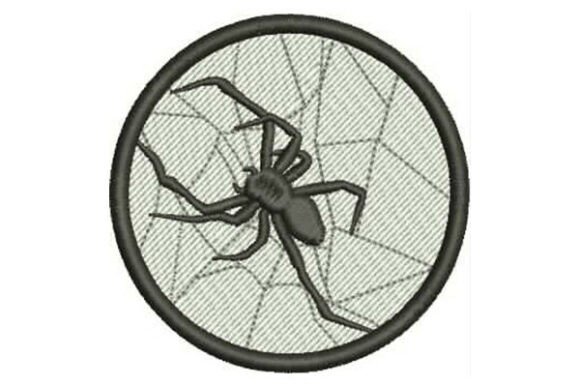
When browsing for a fresh accent for a new sweatshirt collection, the Spider embroidery file from Creative Fabrica immediately caught my eye. From a professional embroidery designer’s perspective, planning a small seasonal line requires designs that balance visual impact with technical execution. This review is my assessment of how Spider might translate from a digital embroidery file to finished boutique apparel.
First Impression: Visual Mood and Apparel Potential
The design has a distinctly modern, graphic personality. It feels bold and trendy, yet retains a playful edge that could work beyond strictly Halloween-themed items. The detail level appears thoughtfully composed for decorative strength without being overly dense—a key consideration for comfortable sweatshirt embroidery. My first thought was how this would look on a neutral, oversized hoodie: a striking accent that elevates a simple garment. On pastel hoodies, it could offer a crisp, contrasting focal point, while on dark apparel like black denim jackets or deep-toned sweatshirts, the contrast would be inherently eye-catching. The aesthetic leans toward a premium-casual vibe, suitable for brands aiming for a sophisticated yet accessible look.
Performance for Key Apparel Projects
For apparel decorators and small clothing brands, the practical application is paramount. Here’s how I envision Spider performing across common projects.
Sweatshirt and Hoodie Chest Placement
A classic left-chest placement on a sweatshirt or hoodie is a natural fit. The design’s proportions likely make it ideal for this standard location, creating a branded focal point without overwhelming the garment. It could serve as a perfect logo-like element for a boutique brand, aiding in product recognition and visual consistency across a collection.
Sleeve Accents and Back Designs
For a more dramatic statement, Spider could scale beautifully for a full back design on a hoodie, transforming a cozy staple into a standout piece. As a smaller sleeve accent, it adds a subtle detail that enhances the garment’s perceived value. This versatility is a significant asset for Etsy sellers and handmade business owners curating a varied product line.
T-Shirts, Tote Bags, and Lifestyle Products
On t-shirts, the design would inject a trendy makeover, aligning with current apparel customizing trends. For tote bags and other lifestyle products, it acts as a fresh, eye-catching accent that elevates simple merchandise. This expands its utility beyond seasonal wear, making it a potential year-round asset for commercial embroidery products. For social media graphics and printable mockups used in Etsy listings, a clean, well-embroidered Spider design photographs beautifully, supporting professional presentation and customer engagement.
Where to Exercise Care: Practical Designer Notes
Any machine embroidery design requires thoughtful application. For Spider, certain scenarios warrant extra planning.
- Small Chest Placement on Stretch Fabric: If placed on a small chest area of a stretchy knit or ribbed fabric, ensuring adequate stabilizer is critical to prevent distortion.
- Dense Stitch Areas: While the description suggests a modern design, I always advise checking the actual stitch density in the Creative Fabrica embroidery file. High density on fleece or thick sweatshirt material can affect the fabric’s drape and comfort.
- Dark Garments and Thread Color: On dark apparel, thread color contrast is everything. Testing on scrap fabric with your chosen thread palette is a non-negotiable step to guarantee the design pops as intended.
- Curved Surfaces and Hoop Size: Embroidering on curved areas like sleeve shoulders requires confirming the hoop size compatibility and potentially using specialized hooping techniques to maintain registration.
These considerations directly impact buyer trust and the final product’s quality. A puckered or distorted design on a premium sweatshirt undermines brand identity.
Affecting Apparel Value and Brand Identity
A well-executed embroidery design like Spider can significantly elevate a basic garment. It transforms a standard sweatshirt into custom apparel, increasing its perceived value and justifying a higher price point for small shop products. For creative entrepreneurs building a brand, consistent use of such a distinctive design across hoodies, t-shirts, and tote bags creates a cohesive collection that customers recognize. The professional finish it offers—when embroidered correctly—strengthens customer engagement and reinforces a brand’s commitment to quality.
Essential Pre-Production Checklist
Before committing this design to a production run, I follow a standard set of practices.
- Test on Scrap Fabric: Always embroider Spider on a scrap piece of the exact garment fabric you plan to use—be it cotton sweatshirt fleece, hoodie polyester blend, or denim.
- Review Stabilizer Choice: Match the stabilizer to the fabric texture and the design’s potential stitch density.
- Compare Placement Options: Physically mark potential placements on a sample garment to visualize scale and impact.
- Inspect the Creative Fabrica Product Details: Crucially, confirm the listed file formats, any implied hoop size recommendations, and the licensing terms for commercial embroidery before selling finished apparel. The provided description is a starting point; the technical file details are your blueprint.
Integrating Spider into a boutique apparel line requires viewing it not just as a Halloween embroidery design, but as a versatile graphic element. Its modern character makes it suitable for giving fabrics a trendy makeover throughout the year, particularly for those targeting a market that appreciates bold, playful accents on everyday cozy outfits. For apparel decorators browsing Creative Fabrica for that next perfect accent, this design presents a compelling option worthy of a thorough test stitch.