The Bike Embroidery Design for Small Business Merchandise
As a professional embroidery designer working with small brands daily, my first task is to evaluate digital files for their commercial viability. When a client presents the Bike embroidery design for use on their merchandise, my review begins with its visual personality. The description suggests it is "elegant and eye-catching," which immediately signals a design that balances sophistication with visibility. For a boutique, café, or creative studio, this duality is key. It needs to feel premium enough for a product label yet approachable enough for a staff apron.
First Impressions: Professional, Playful, and Premium
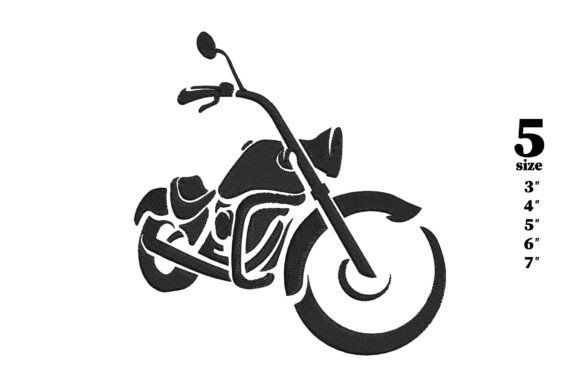
The Bike design, by its title alone, evokes motion, leisure, and a classic aesthetic. In the context of small business merch, this can translate into a brand identity that is friendly, active, and trustworthy. For a local bike shop, a wellness studio, or even a bakery with a "fresh delivery" angle, the icon is immediately relatable. The promise of it being "high-quality, fun, and easy to stitch" from the product description is encouraging. In practice, "easy to stitch" often means well-digitized with sensible stitch paths, which reduces production headaches and guarantees a cleaner finished product on your custom apparel.
Real-World Application for Branded Merchandise
Let’s walk through a real scenario. A small pet brand wants to create embroidered patches for their eco-friendly leash collections. They send over the Bike embroidery file. My evaluation focuses on how this single asset performs across their required applications.
Embroidered Patches: This is a prime use. A embroidered patch serves as a product label, a bag accent, or a customer gift. The Bike design must hold its detail when reduced to a small size, typically under 3 inches. I would immediately test it at that scale. Does the outline remain crisp? Is any interior detailing lost? A successful patch design reinforces brand identity and adds perceived value to a handmade product.
Staff Uniforms and Aprons: For a café or retail shop, chest logos on polo shirts or apron pockets are standard. Here, the "elegant" claim is tested. On a dark uniform fabric, thread color contrast is vital. I would advise the client to consider a version with a lighter outline or a solid fill to ensure visibility. The design should not have excessive stitch density that makes the fabric stiff or uncomfortable for daily wear.
Cap Embroidery and Tote Bag Design: These are curved or textured surfaces. A cap embroidery design needs to fit the front panel's curvature without distortion. A tote bag design must withstand the fabric's weave. The Bike design's "eye-catching" nature is perfect for these high-visibility items, turning a simple tote into a branded merchandise piece that customers actually use.
Strategic Placement and Critical Considerations
Not every machine embroidery design works everywhere. Based on typical project hurdles, I would guide a client to use the Bike design carefully in certain contexts.
- Small Patch Sizes: As mentioned, this requires a test sew. If the design includes fine details or tiny text elements (like a integrated brand name), they might vanish. Always test on real fabric first.
- Curved Surfaces like Caps: Confirm the recommended hoop size from the file details. A design digitized for a flat hoop might pucker on a curved cap frame.
- Items for Frequent Washing: For work shirts or aprons that endure heavy laundering, the design’s integrity is crucial. Using proper stabilizer and quality thread during production is non-negotiable.
- Dark Backgrounds: The "elegant" look can turn invisible if the thread colors are poorly chosen for contrast. I recommend clients test it in black and white first on their target fabric to judge contrast before committing to a full-color run.
Building Brand Trust and Professionalism
A well-executed embroidered logo is a silent ambassador. For an Etsy seller or a craft business, using the Bike design consistently across aprons, product packaging accents, and event merch creates visual consistency. This consistency builds customer recognition and trust. It signals that the business is professional and invested in its presentation. When a customer sees the same clean Bike icon on your market stall tote and your Instagram printable mockup, it reinforces your brand's reliability.
The design’s "fun" aspect, paired with elegance, can enhance buyer engagement. On a customer gift, like a branded handkerchief for a cycling event, it feels thoughtful and special, increasing the product's emotional value. For a florist or bakery, this playful yet premium touch on an apron makes staff look unified and approachable.
Practical Designer Notes Before Production
Before any commercial embroidery project goes live, I follow a checklist. Here’s what I would do with the Bike digital embroidery file for a client.
- Check Commercial Licensing: The product description doesn’t specify license terms. This is critical. I must advise the client to confirm commercial licensing before business use. Using a file for small business merch without the proper license carries legal risk.
- Create a Mockup for Client Approval: Using the actual file, stitch it out on a sample of the target fabric (e.g., twill for a patch, cotton for a tote). Present this physical sample or a high-quality digital printable mockup to the client. This prevents misunderstandings about size, color, and final appearance.
- Compare It Beside Other Design Assets: How does the Bike icon fit with the brand’s existing typography or color palette? Stitch it next to a text logo sample to ensure harmony.
- Review Thread Color Contrast and Spacing: Examine the digitized file in software. Are stitch regions well-spaced to prevent thread buildup? Does the color palette recommended in the file work for your specific fabric colors? Adjust if necessary.
- Test on Real Fabric with Proper Stabilizer: Never skip this. The right stabilizer for the fabric texture (e.g., cutaway for tough fabrics, tear-away for light cottons) makes all the difference in finish and durability.
In the category of Hobbies Sports and Embroidery, the Bike design stands out as a versatile business asset. It’s not merely a decorative motif; it’s a potential cornerstone for a brand’s tactile identity. When selected and applied with the strategic care outlined above, it can elevate uniforms, transform simple merchandise, and communicate a brand’s character with every stitch. The final step is always in the hands of the embroiderer: pairing this machine embroidery design with skill, quality materials, and a clear commercial vision.